
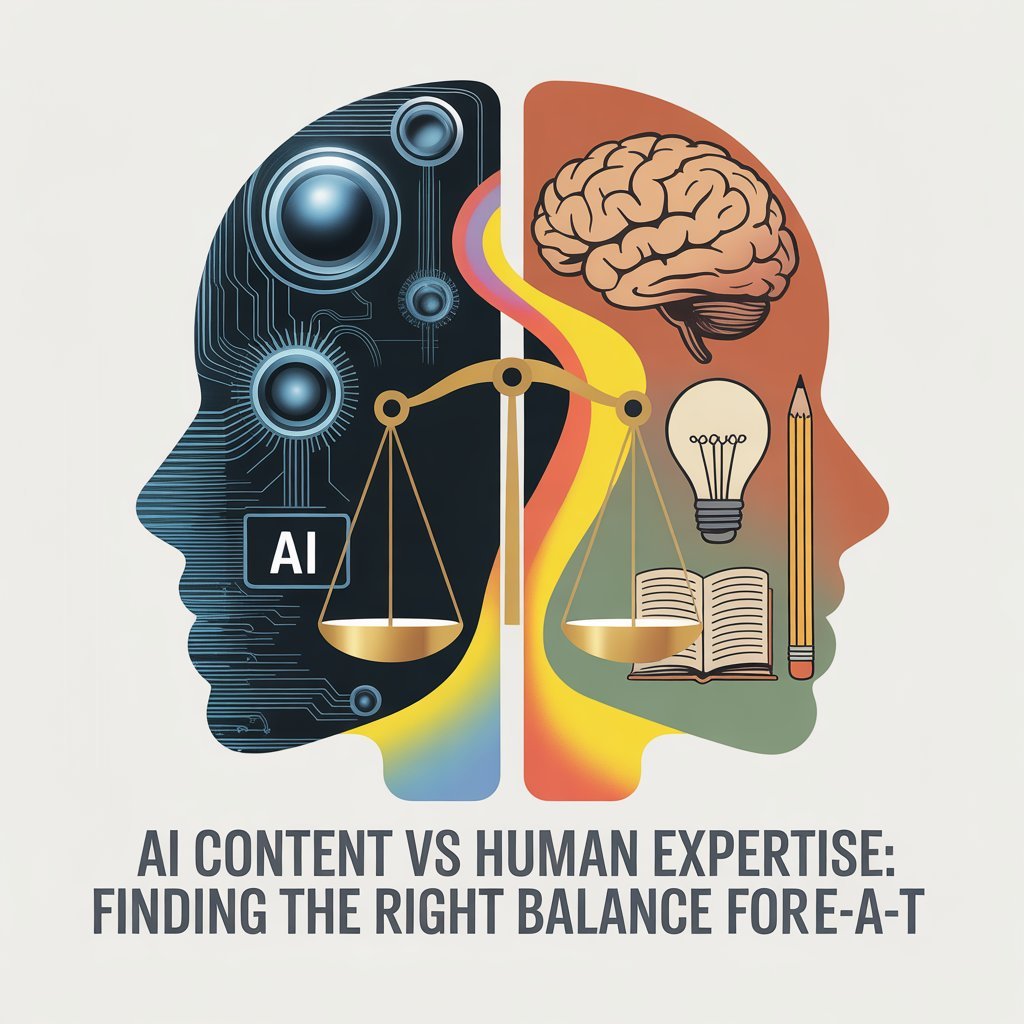
The digital landscape is experiencing a seismic shift as artificial intelligence tools reshape how we create online content. Yet, amidst this technological revolution, one question dominates discussions among marketers and content creators: How do we balance machine efficiency with human authenticity? The answer lies in understanding how AI content vs human content impacts your website’s credibility, particularly regarding Google’s E-E-A-T framework (Experience, Expertise, Authoritativeness, and Trustworthiness).
Understanding E-E-A-T in the Modern Content Era
Google’s E-E-A-T guidelines represent the gold standard for content quality assessment. These principles evaluate whether your content demonstrates real-world experience, subject matter expertise, industry authority, and reader trust. While AI tools can process vast amounts of data and generate text rapidly, they fundamentally lack the personal experiences and nuanced understanding that human writers bring to the table.
The introduction of “Experience” as the first E in E-E-A-T signals Google’s recognition that firsthand knowledge matters. This creates an interesting dynamic when examining AI vs human writing SEO strategies, as algorithms cannot share personal anecdotes, professional insights gained through years of practice, or authentic emotional connections with readers.
The Strengths of AI-Generated Content
Artificial intelligence has revolutionized content production by offering unprecedented speed and scalability. AI writing tools excel at:
- Data Analysis and Research: Processing thousands of sources instantly to identify trending topics and relevant statistics
- Consistency: Maintaining uniform tone and style across large content volumes
- SEO Optimization: Identifying keyword opportunities and structuring content for search engine visibility
- Efficiency: Producing first drafts that significantly reduce production time
- Multilingual Capabilities: Creating content in multiple languages simultaneously
These advantages make AI invaluable for handling routine content tasks, generating product descriptions, creating data-driven reports, and maintaining consistent publishing schedules.
The Irreplaceable Value of Human Expertise
Despite AI’s impressive capabilities, human writers provide elements that machines cannot replicate. Human expertise shines through:
Authentic Experience: Real professionals share practical insights, case studies, and lessons learned from actual implementations. A digital marketing expert writing about campaign strategies can draw from successful projects and explain why certain approaches succeeded or failed.
Critical Thinking: Humans evaluate information contextually, question assumptions, and provide nuanced perspectives that consider multiple stakeholders and long-term implications.
Emotional Intelligence: Understanding audience psychology, crafting compelling narratives, and creating content that resonates emotionally requires human empathy and cultural awareness.
Ethical Judgment: Determining what information serves readers best, fact-checking claims rigorously, and taking responsibility for published content demands human accountability.
Creative Innovation: Original thought leadership, unique frameworks, and breakthrough ideas emerge from human creativity and professional experience rather than pattern recognition.
Finding the Strategic Balance
The most effective content strategy doesn’t choose between artificial intelligence and human creators—it strategically combines both. Here’s how to achieve this balance while maintaining E-E-A-T compliance:
Use AI for Foundation, Humans for Finalization
Let AI tools handle initial research, outline creation, and first-draft generation. Then, subject matter experts should extensively revise, add personal insights, verify accuracy, and inject authentic voice. This approach leverages speed without sacrificing quality.
Assign Content Types Appropriately
Reserve AI primarily for data-heavy content, regular updates, and informational pieces where experience matters less. Entrust humans with thought leadership articles, expert opinions, sensitive topics, and content requiring professional credentials or personal testimony.
Implement Rigorous Review Processes
Every piece of content, regardless of origin, should undergo human editorial review focusing on factual accuracy, logical coherence, reader value, and E-E-A-T alignment. Establish clear authorship policies that transparently indicate when AI assistance was used.
Build Author Authority
Feature content from credentialed experts with detailed author bios, professional credentials, and social proof. Link to their professional profiles, published works, and relevant qualifications. This human element significantly strengthens trustworthiness signals.
The SEO Implications
Search engines increasingly prioritize content that demonstrates genuine expertise and benefits readers. When evaluating the AI content vs human content debate from an SEO perspective, consider that:
Google’s algorithms have become sophisticated at detecting thin, generic content lacking unique value—a common pitfall of unedited AI output. The search engine rewards content showing clear subject matter expertise, original research, and practical insights that only experienced professionals can provide.
Furthermore, user engagement metrics like time on page, return visits, and social sharing typically favor content with authentic human perspective and actionable expertise over generic AI-generated text.
Practical Implementation Steps
To successfully balance AI efficiency with human expertise:
- Define Clear Roles: Establish which content types benefit most from AI assistance versus requiring pure human creation
- Invest in Expert Contributors: Build relationships with credentialed professionals who can provide authoritative perspectives
- Create Quality Standards: Develop comprehensive editorial guidelines ensuring all content meets E-E-A-T requirements
- Monitor Performance: Track how different content approaches perform regarding engagement, rankings, and conversions
- Stay Transparent: Be honest with your audience about your content creation process
Conclusion
The future of content creation isn’t about choosing sides in the AI vs human writing SEO discussion—it’s about intelligent integration. Artificial intelligence offers remarkable efficiency and data processing capabilities, while human expertise provides the authenticity, experience, and trustworthiness that audiences and search engines increasingly demand.
By thoughtfully combining AI’s strengths with human insight, you can create content that satisfies both algorithmic requirements and human readers. The brands that will thrive are those recognizing that technology serves as a powerful tool, but human expertise remains
the irreplaceable foundation of truly valuable content that earns trust, authority, and lasting search visibility.