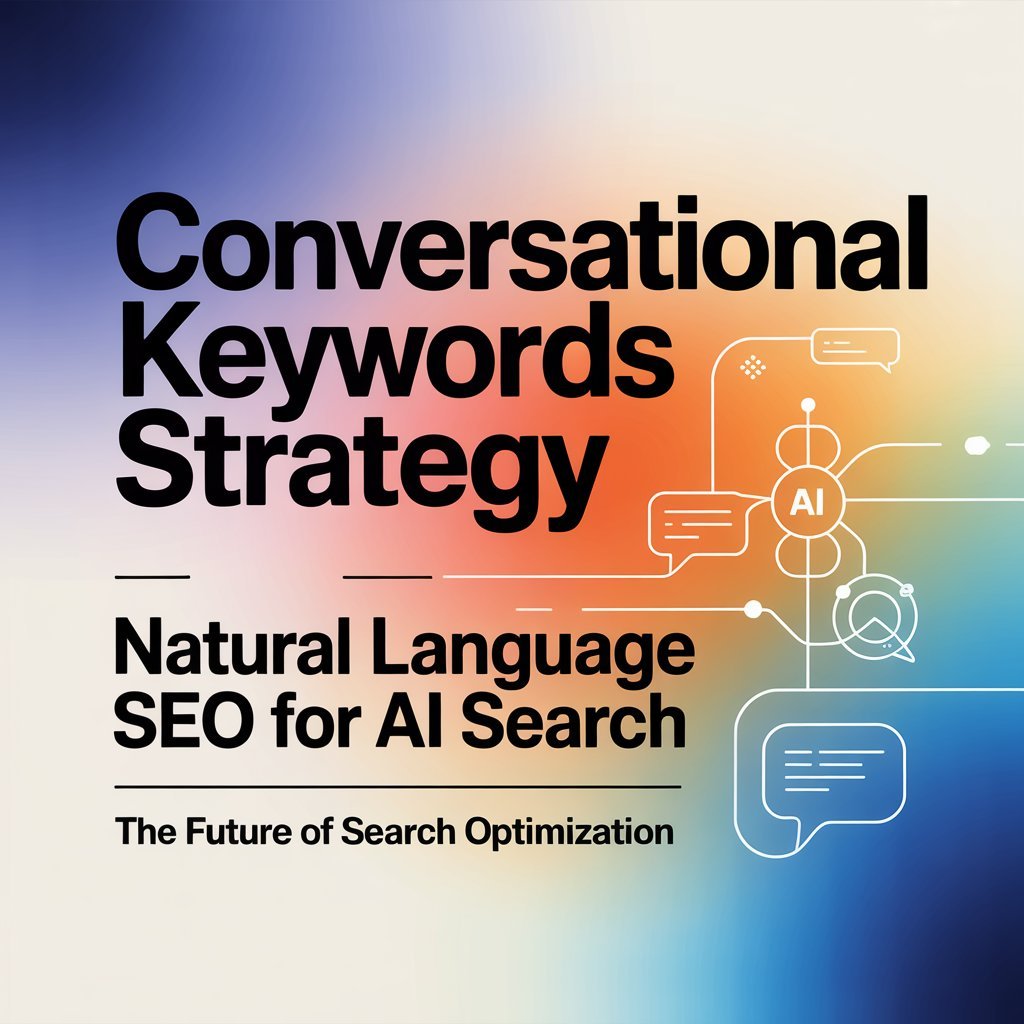
Conversational keywords strategy has revolutionized how tourism businesses connect with travelers in the age of AI-powered search. As voice assistants and AI chatbots dominate the search landscape, understanding how people naturally speak when planning trips is no longer optional—it’s essential for survival in the competitive tourism industry.
The travel industry has witnessed a seismic shift in search behavior. Gone are the days when tourists typed fragmented phrases like “cheap hotels Paris.” Today’s travelers ask complete questions: “What are the best family-friendly hotels near the Eiffel Tower with free breakfast?” This evolution demands a fresh approach to content optimization.
Understanding Natural Language SEO for AI Search
Natural language SEO for AI search focuses on matching your content to the way humans actually communicate. Search engines like Google, Bing, and emerging AI platforms such as ChatGPT and Perplexity AI now prioritize content that answers questions comprehensively and conversationally.
For tourism businesses, this means crafting content that mirrors authentic traveler inquiries. When someone asks their smart speaker, “Where should I go for a romantic weekend getaway in California?” your optimized content needs to provide the exact answer they’re seeking, presented in a natural, helpful tone.
AI search algorithms have become sophisticated enough to understand context, intent, and semantic relationships between words. They don’t just match keywords—they comprehend meaning. This is why conversational SEO 2026 guide principles emphasize creating genuinely valuable content over mechanical keyword insertion.
The Rise of Voice Search in Tourism
Voice search keyword optimization has become critical as over 50% of travelers now use voice assistants to research destinations, book accommodations, and discover local experiences. Voice queries are typically longer, more specific, and question-based compared to traditional text searches.
Consider these contrasts:
- Text search: “Thailand travel tips”
- Voice search: “What documents do I need to travel to Thailand from the United States?”
Tourism content must address these detailed, conversational queries. Create FAQ sections, destination guides, and blog posts that answer specific traveler questions using natural language patterns.
Implementing Your Conversational Keywords Strategy
Step 1: Research How Travelers Actually Talk
Listen to customer service calls, analyze chatbot conversations, and review social media discussions. What questions do potential visitors ask repeatedly? Use tools like AnswerThePublic and Google’s “People Also Ask” feature to identify common conversational queries in your niche.
Step 2: Structure Content Around Questions
Organize your tourism content to directly answer traveler questions. Instead of titling a blog post “Venice Attractions,” use “What Are the Must-See Attractions in Venice for First-Time Visitors?” This approach aligns perfectly with natural language SEO for AI search principles.
Step 3: Embrace Long-Tail Conversational Phrases
Long-tail keywords in conversational format capture high-intent travelers. Phrases like “family-friendly all-inclusive resorts in Mexico with kids clubs” may have lower search volume but attract visitors ready to book.
Step 4: Optimize for Featured Snippets
AI search platforms frequently pull answers from featured snippets. Structure your content with clear, concise answers to common questions. Use lists, tables, and step-by-step formats that AI can easily extract and present to users.
Creating E-E-A-T Compliant Tourism Content
Google’s Experience, Expertise, Authoritativeness, and Trustworthiness (E-E-A-T) framework is crucial for tourism content. Share first-hand travel experiences, include author credentials, cite reputable sources, and maintain factual accuracy.
Your conversational SEO 2026 guide strategy should incorporate personal insights, original photography, and up-to-date information verified through recent visits or reliable tourism boards. AI systems increasingly reward content demonstrating genuine expertise.
Optimizing for AI-Powered Search Platforms
Beyond traditional search engines, optimize for ChatGPT, Google’s Gemini, and other AI platforms that travelers consult for recommendations. These systems prioritize
well-structured, comprehensive content that directly addresses user intent.
Voice search keyword optimization extends beyond smartphones. Smart displays, in-car assistants, and hotel room devices are becoming common travel planning tools. Your content must perform across all these platforms.
Measuring Success in Conversational SEO
Track metrics beyond traditional rankings. Monitor:
- Voice search traffic through analytics
- Featured snippet captures
- AI platform citations
- Question-based query impressions
- Conversational keyword rankings
Adjust your conversational keywords strategy based on which natural language queries drive qualified traffic and conversions.
Future-Proofing Your Tourism Content
The tourism industry’s digital landscape will continue evolving. Stay ahead by regularly updating content, monitoring emerging AI search behaviors, and maintaining authentic, helpful communication with travelers.
Conversational keywords strategy isn’t a temporary tactic—it’s the foundation of modern tourism marketing. By aligning your content with natural human language and AI search expectations, you’ll build sustainable visibility and connect with travelers genuinely seeking the experiences you offer.