AI-powered search optimization is transforming how businesses connect with audiences online. As search engines like Google integrate AI features such as AI Overviews, and tools like ChatGPT and Gemini become everyday resources, websites must adapt to stay visible. In this blog, we’ll explore practical steps to make your site resilient in an AI-driven world, drawing from IT services expertise to ensure clarity for both domestic and international readers.
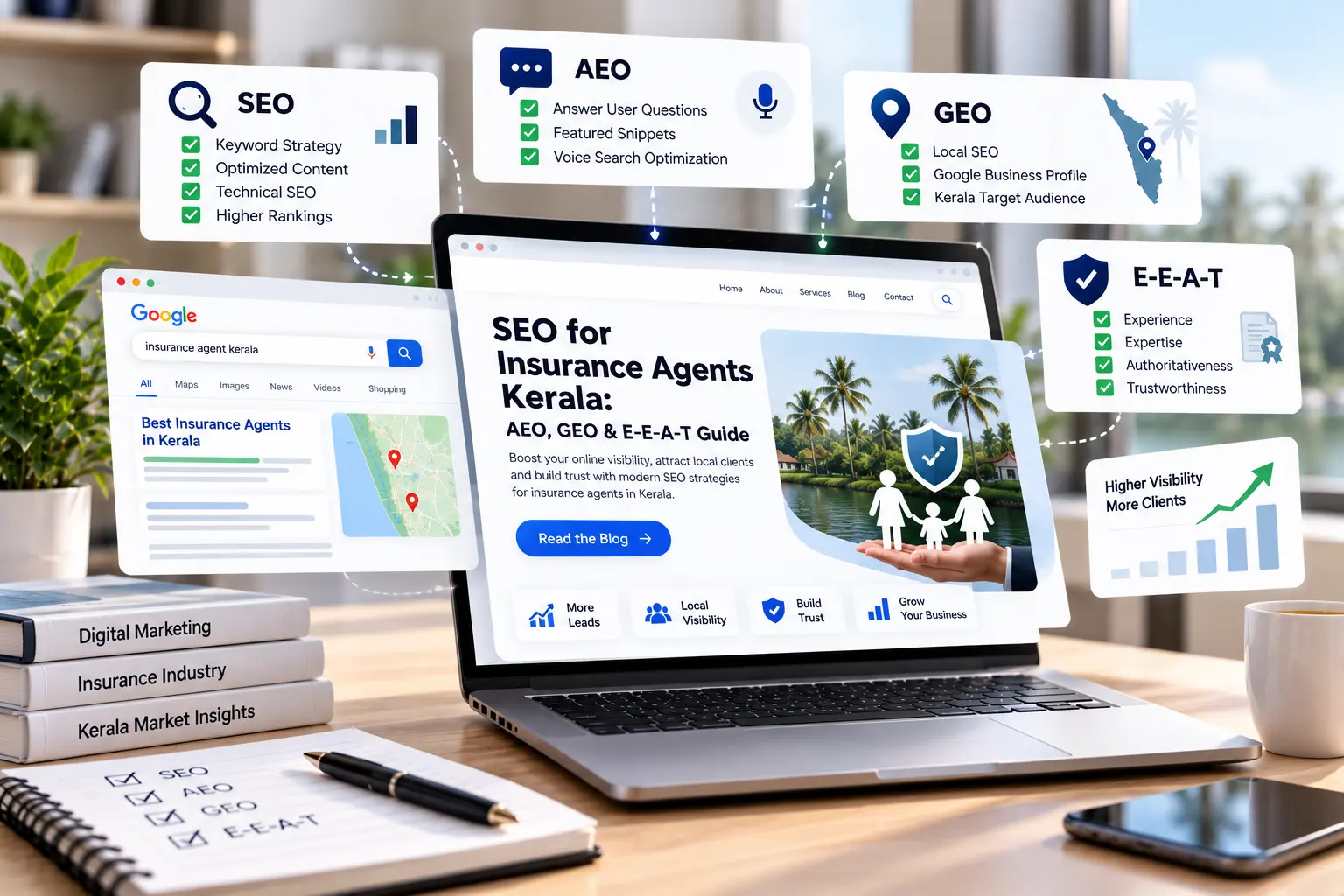
Whether you’re a small business in the US or a global enterprise, the shift to AI search means traditional SEO alone isn’t enough. You need strategies that align with how AI processes and delivers information. This guide covers key concepts and actionable tips, optimized for SEO, Answer Engine Optimization (AEO), Generative Engine Optimization (GEO), and Google’s E-E-A-T principles (Experience, Expertise, Authoritativeness, and Trustworthiness).
Understanding AI-Powered Search and Its Impact
AI-powered search refers to systems that use artificial intelligence to generate direct answers, summaries, and recommendations based on user queries. Unlike traditional search results that list links, AI tools like Google’s Search Generative Experience (SGE) or Microsoft Bing’s AI answers pull and synthesize content from across the web. This creates a more conversational experience but reduces clicks to individual sites—potentially cutting organic traffic by 20-50% for some industries.
For IT services providers, this evolution means rethinking website design and content. AI crawlers prioritize clear, structured, and authoritative information. If your site isn’t optimized, it risks being overlooked in favor of competitors who embrace AI search optimization. Globally, this affects everyone from e-commerce platforms in India to tech firms in Europe, as AI search transcends borders and languages.
Why You Need a Future-Proof Website for AI Search
Building a future-proof website for AI search protects your online presence against algorithm changes and emerging technologies. AI search engines value content that demonstrates real value, not just keyword density. According to experts, sites that focus on unique insights and user satisfaction see better inclusion in AI responses.
Consider the risks: Without optimization, your site might not appear in AI summaries, leading to lost leads. On the positive side, proper website optimization for AI-powered search optimization can boost visibility in new formats, like cited sources in ChatGPT outputs. This is crucial for international audiences, where multilingual content and cultural relevance play a role in AI rankings.
Key AI SEO Best Practices for Optimization
To thrive, integrate AI SEO best practices into your strategy. These build on traditional SEO while addressing AI-specific needs. Here’s a step-by-step approach:
1. Prioritize High-Quality, E-E-A-T-Aligned Content
AI systems reward content showing experience and expertise. Create original, in-depth articles with unique perspectives, backed by data or expert quotes. For example:
- Use long-form guides that answer specific questions thoroughly.
- Include author bios with credentials to build trust.
- Update content regularly to reflect current trends—AI favors fresh information.
Avoid generic material; focus on what sets your IT services apart, like case studies from diverse markets.
2. Structure Content for AI Readability
AI crawlers parse structured data easily. Use clear headings (H1, H2, H3), bullet points, and numbered lists to make information “snippable.” Implement schema markup (e.g., FAQ or HowTo schema) to provide context that AI can interpret.
| Element | Best Practice | Benefit for AI Search |
|---|---|---|
| Headings | Descriptive and question-based | Helps AI identify key sections |
| Lists | Bulleted or numbered for steps | Easy to extract for summaries |
| Tables | For comparisons or data | Improves scannability and accuracy |
This approach ensures your content is GEO-friendly, meaning it’s optimized for generative AI outputs.
3. Optimize for User Intent and Natural Language
Shift from keyword stuffing to understanding intent. AI-powered search optimization search handles conversational queries, so write in natural language that matches how people ask questions globally. Tools like Semrush or Ahrefs can help identify intent-driven keywords.
For international reach, consider localization: Translate content and use region-specific examples without altering core messages.
4. Enhance Technical SEO for AI Crawlers
Ensure your site is accessible to AI bots. Don’t block LLM crawlers in robots.txt, and use fast-loading pages with mobile optimization. Add an llms.txt file to guide AI interactions.
Monitor performance with tools like Google Search Console to track AI visibility.
5. Build Authority Through Citations and Links
AI prioritizes cited sources. Earn backlinks from reputable sites and participate in forums like Reddit for natural mentions.