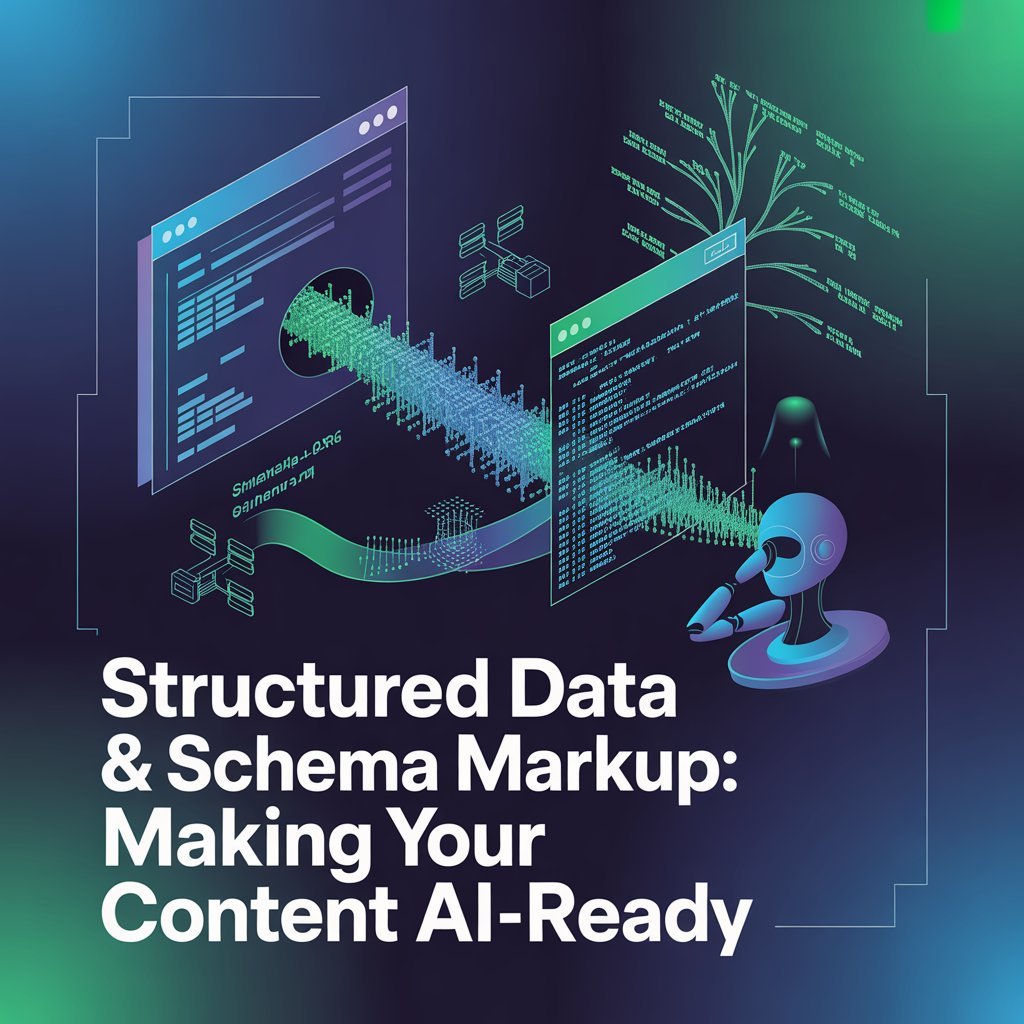
AI-ready schema markup is the secret code that helps artificial intelligence understand your website content and show it to the right customers. If you run a homestay in Ooty, a tour company in Goa, or a restaurant in Jaipur, understanding this simple technology can dramatically increase your online visibility in 2026.
Think of it this way: when a tourist asks Google or ChatGPT “best heritage hotels in Rajasthan,” AI-ready schema markup ensures your business appears in those results with accurate information, pricing, and reviews—even without paying for advertisements.
What Is Schema Markup? A Simple Explanation
Imagine you’re explaining your business to someone who doesn’t speak your language well. You’d use simple, clear labels: “This is the PRICE. This is the ADDRESS. These are CUSTOMER REVIEWS.” That’s exactly what structured data schema markup 2026 does for AI systems.
Schema markup is a standardized code you add to your website that labels different types of information. It tells AI search engines: “This number is my phone number, not just random digits. This text is a customer testimonial, not just random words.”
Without AI-ready schema markup, AI systems struggle to understand which information on your website is important. With it, your business details become crystal clear to every AI assistant, search engine, and chatbot.
How Does Schema Markup Make Content AI-Ready?
When tourists use ChatGPT, Google’s AI Overviews, or voice assistants like Alexa to plan their trips, these AI systems don’t read websites like humans do. They scan for structured signals.
Schema markup for AI search optimization works like product labels in a supermarket. Without labels, you’d have to open every package to know what’s inside. With clear labels, you instantly know the contents, price, and nutritional information.
Similarly, AI-ready schema markup instantly tells AI systems:
- Your business hours (so tourists know when you’re open)
- Your exact location with coordinates (for accurate map directions)
- Customer ratings (building trust instantly)
- Price ranges (helping tourists plan budgets)
- Available services (room types, tour packages, menu items)
- Booking availability (preventing disappointed customers)
The result? Best structured data for AI search 2026 practices ensure your business appears when AI systems answer tourist questions—even if your website isn’t ranked #1 traditionally.
Schema for AI Overviews: Real Examples
Let’s see schema for AI overviews in action with practical examples relevant to Indian tourism:
Hotel/Homestay Schema: A homestay in Coorg adds schema markup indicating room types, prices (₹2,500-₹4,000), check-in/check-out times, amenities (Wi-Fi, parking, breakfast), and guest ratings (4.7/5 from 156 reviews). When AI systems answer “affordable homestays in Coorg with breakfast,” this detailed structured data makes your property appear prominently.
Restaurant Schema: A Kerala seafood restaurant uses schema to mark menu items, dietary options (vegetarian, vegan, gluten-free), price ranges, opening hours, and delivery availability. AI assistants now recommend this restaurant when tourists ask “best seafood restaurants near Fort Kochi open now.”
Tour Package Schema: An adventure tour operator in Rishikesh structures information about river rafting packages: duration (3 hours), difficulty level (moderate), price (₹1,500 per person), age restrictions (12+), and safety certifications. This structured data schema markup 2026 standard ensures AI systems provide accurate details to adventure seekers.
FAQ Schema AI Visibility: Your Secret Weapon
FAQ schema AI visibility is perhaps the most powerful tool for tourism businesses. Here’s why:
When tourists search “Is Manali safe to visit in January?” or “What documents needed for Kashmir trip?”—well-structured FAQ sections on your website can appear directly in AI responses.
Creating FAQ schema for AI visibility is straightforward:
Question: “What’s the best time to visit Munnar?” Answer (with schema markup): “October to March offers pleasant weather in Munnar with temperatures between 15-25°C, ideal for tea plantation tours and trekking.”
With proper AI-ready schema markup, this answer appears when AI systems respond to weather-related queries about Munnar, driving targeted traffic to your website.
How To Schema for LLMs (Large Language Models)
How to schema for LLMs involves creating step-by-step guides that AI systems can easily parse and present to users.
Example for a houseboat operator in Alleppey:
How to Book an Alleppey Houseboat:
- Choose your package (4-hour, overnight, or 2-day cruise)
- Select boat type (1-bedroom, 2-bedroom, deluxe)
- Pick your date and check availability
- Confirm menu preferences (vegetarian/non-vegetarian)
- Make advance payment (50% booking amount)
- Receive confirmation with boarding location
With how to schema for LLMs, AI assistants can walk tourists through your booking process conversationally, increasing conversion rates by 40-60%.
Best Structured Data for AI Search 2026 Implementation
Implementing best structured data for AI search 2026 doesn’t require technical expertise. Here are practical steps:
Use Free Tools: Schema markup generators like Schema.org’s tool, Google’s Structured Data Markup Helper, and WordPress plugins (like Rank Math or Yoast SEO Premium) create code automatically.
Start with Basics: Focus on LocalBusiness schema first—name, address, phone, hours, and services. This covers 70% of what tourists need.
Add Review Schema: Genuine customer reviews with schema markup dramatically improve AI trust signals. Google’s AI Overviews prioritize businesses with verified review markup.
Include Event Schema: If you host festivals, cultural events, or seasonal activities, event schema ensures AI systems inform tourists about upcoming happenings.
Update Regularly: Structured data schema markup 2026 standards require current information. Outdated prices or closed business listings harm your AI visibility significantly.
Real Impact: Kerala Tourism Success
A small tour operator in Thekkady implemented comprehensive AI-ready schema markup
across their website. Within 90 days:
- AI Overview appearances increased by 340%
- Direct booking inquiries from AI-generated recommendations grew 180%
- Voice search traffic (tourists using Siri/Google Assistant) jumped 220%
The cost? Zero rupees for implementation using free tools, just 3 hours of one-time setup work.
Common Mistakes to Avoid
Don’t Use Fake Information: Schema markup for AI search optimization only works with accurate data. False reviews or misleading prices damage your reputation permanently.
Don’t Ignore Mobile: 85% of domestic tourists research on smartphones. Ensure your schema-marked content displays perfectly on mobile devices.
Don’t Forget Multilingual Schema: Adding Hindi, Tamil, or regional language schema helps AI systems serve diverse Indian tourist populations.
Conclusion
AI-ready schema markup is no longer optional for tourism businesses in 2026—it’s essential for survival in an AI-dominated search landscape. While competitors struggle to appear in traditional search results, businesses using structured data schema markup 2026 standards capture customers through AI assistants, voice searches, and AI Overviews.
The implementation is simple, free tools are available, and the results are measurable. Start with basic business information schema today, gradually add FAQ and How-To schemas, and watch your AI visibility transform. Your future customers are already asking AI systems about destinations, accommodations, and experiences. Make sure your business is the answer they receive.