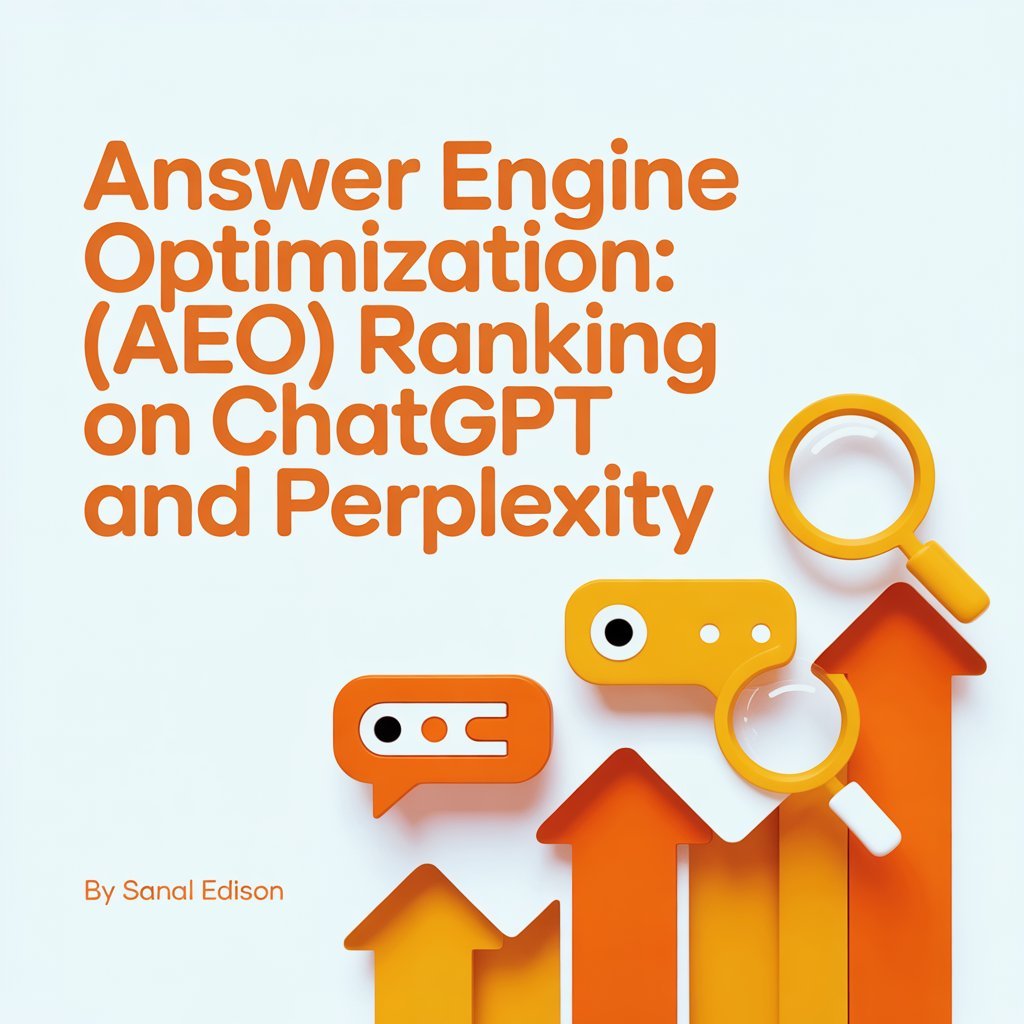
Answer Engine Optimization (AEO) is revolutionizing how brands appear in AI-powered search results. Unlike traditional SEO, which focuses on ranking in search engine result pages, AEO ensures your content gets cited by AI assistants like ChatGPT, Perplexity, Claude, and Google’s Gemini. As these platforms reshape how users discover information, mastering AEO strategies has become critical for digital visibility.
Understanding the Shift from SEO to AEO
Traditional search engines display a list of links, but answer engines provide direct, conversational responses by synthesizing information from multiple sources. When users ask ChatGPT or Perplexity a question, these platforms scan the web and generate comprehensive answers—often citing specific sources.
This fundamental shift means your content must be structured to feed AI models with clear, authoritative information. The goal isn’t just traffic anymore; it’s about becoming the trusted source that AI platforms reference when answering user queries.
How to Optimize for ChatGPT Perplexity AEO
Getting cited by AI answer engines requires a strategic approach that differs from conventional optimization tactics. Here’s how to position your content for maximum visibility:
Structure Content for AI Consumption
AI models prioritize content that directly answers questions. Use clear headings, concise paragraphs, and logical information hierarchy. Start articles with direct answers before expanding into details. Include FAQ sections that address specific user queries in straightforward language.
Implement Conversational Keywords
People interact with AI differently than they search Google. They ask complete questions in natural language. Optimize for long-tail conversational phrases like “how do I improve my website for AI search” rather than fragmented keywords like “website AI optimization.”
Leverage Schema Markup
Structured data helps AI understand your content’s context. Implement FAQ schema, HowTo schema, and Article schema to clearly signal what information your page contains. This markup acts as a roadmap for AI crawlers, increasing citation probability.
Create Comprehensive, Authoritative Content
Answer engines favor depth and expertise. Develop content that thoroughly covers topics from multiple angles. Include statistics, expert quotes, case studies, and actionable insights. The more comprehensive and valuable your content, the more likely AI will reference it.
Maintain Fresh, Updated Information
AI models prioritize current information. Regularly update your content with the latest data, trends, and developments. Add publication and update dates prominently to signal freshness to both users and AI crawlers.
Best AEO Strategies E-E-A-T
Google’s E-E-A-T framework (Experience, Expertise, Authoritativeness, Trustworthiness) has become equally crucial for answer engine optimization. AI platforms assess source credibility before citing content in responses.
Demonstrate Real Experience
Share first-hand experiences, case studies, and original research. AI models value content from practitioners who’ve actually implemented what they’re discussing. Include specific examples, results, and lessons learned to showcase genuine experience.
Establish Clear Expertise
Display author credentials prominently. Include author bios with relevant qualifications, certifications, and industry experience. Link to author profiles and published work. AI engines scan for expertise signals when evaluating source credibility.
Build Topical Authority
Focus on becoming the go-to resource in your niche. Create content clusters around core topics, interlinking related articles to demonstrate comprehensive coverage. Consistent publishing on specific subjects establishes you as an authoritative voice AI can trust.
Strengthen Trust Signals
Include citations to reputable sources, fact-check all claims, and maintain transparency about methodologies. Display security certificates, privacy policies, and clear contact information. Trust signals reassure both AI models and human readers about your content’s reliability.
Secure Quality Backlinks
While backlinks matter less for direct AI citations, they validate your authority. Earn links from respected industry publications, educational institutions, and established brands. These connections signal to AI that your content meets high standards.
Practical Implementation Tips
Monitor how AI platforms currently answer questions in your industry. Use ChatGPT and Perplexity to search topics you cover, then analyze which sources they cite and why. Adapt your content to match successful patterns.
Create dedicated pages answering specific questions your audience asks. Tools like AnswerThePublic and Google’s “People Also Ask” reveal common queries. Address each question comprehensively on its own page.
Optimize for featured snippets, as these often become AI training data. Structure content to appear in position zero on traditional search results—AI models frequently pull from these highlighted answers.
Build relationships with journalists and industry publications. Getting quoted or featured in major outlets increases your chances of AI citation, as these platforms prioritize established media sources.
The Future of Digital Visibility
Answer engine optimization represents the next evolution in digital marketing. As
AI-powered search continues growing, businesses that adapt their content strategies will maintain visibility while others fade into obscurity.
Success in this new landscape requires combining traditional SEO fundamentals with AI-specific optimization techniques. Focus on creating genuinely helpful, authoritative content that serves user intent directly. When you prioritize user value over algorithmic manipulation, both human readers and AI engines will reward you.
Ready to dominate AI-powered search results? Start implementing these Answer Engine Optimization (AEO) strategies today. Audit your existing content, identify optimization opportunities, and transform your digital presence for the AI era. The brands that adapt now will lead tomorrow’s search landscape—don’t get left behind.